
ATIKA Journal — The Science of Skin Longevity
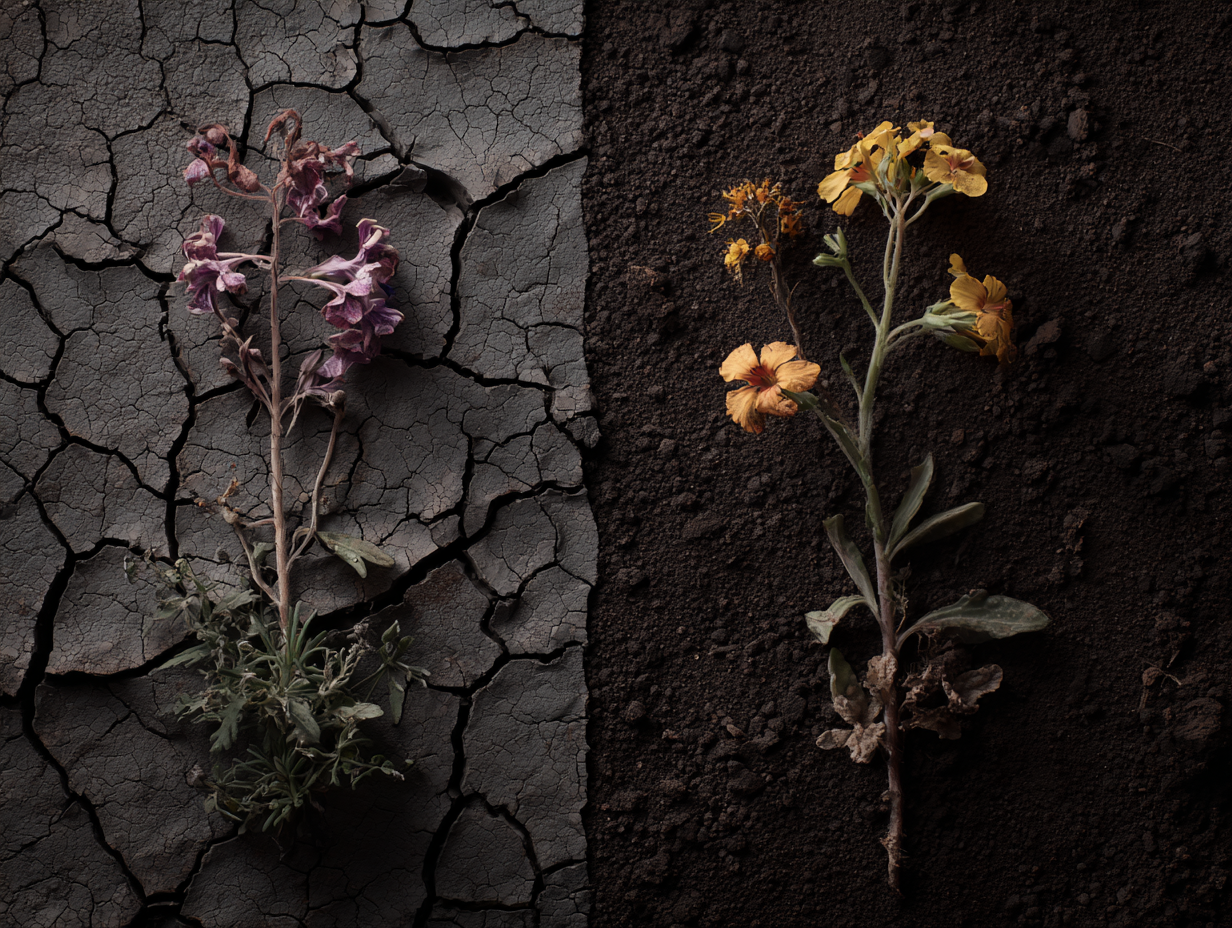
Dosing Is Not a Detail — It’s the Mechanism
Dosing is what makes an ingredient biologically relevant. This article explains why a “small amount” can be real but still ineffective — like a sip of water that doesn’t hydrate. Learn how dose, du...
read more
GLP-1 Medications, “Ozempic Face,” and Skin Longevity Explained
GLP-1 medications can lead to rapid weight loss, which may affect facial volume, skin structure, and hair cycling. This article explains what “Ozempic face” really means, why these changes occur, a...
read more
Does Collagen Actually Work? What Human Studies Show
Specific oral collagen peptides — most consistently VERISOL® — have been studied in randomized controlled trials. At 2.5 g/day for 8–12 weeks, studies report modest but meaningful improvements in w...
read more
Collagen Decline by Decade: 20s, 30s, 40s, 50s+
A clinical overview of how collagen structure changes across decades -- from the 20s through the 50s+ -- and how UV exposure, hormones, oxidative stress, and foundational skin nutrition influence l...
read more
Antioxidant Supplements for Skin: Do They Actually Work?
Antioxidant supplements reach deeper skin layers through circulation and influence UV-induced redness, oxidative markers, tone, and hydration. This article reviews what controlled human studies act...
read more
Glutathione and Why You Can’t Supplement Your Way to More of It
Glutathione is key inside cells, but supplements rarely reach the skin intact. Learn what actually supports antioxidant balance, collagen, and long-term skin health.
read more
Bemotrizinol FDA Proposal: What It Means for U.S. Sunscreen + Skin Longevity
The FDA’s December 2025 proposal to allow bemotrizinol in U.S. sunscreens could expand consumer access to a widely used global UV filter. This guide explains what bemotrizinol is, how it compares t...
read more
Skin Layers and Longevity: A Functional Guide
Skin is not a single surface but a layered biological system. This functional guide explains how the epidermis, dermal–epidermal junction, dermis, and deeper support tissues change over time — and ...
read more
Collagen & Hormones: Estrogen, Cortisol, Thyroid, Androgens
A clinical explanation of how estrogen, cortisol, thyroid hormones, and androgens influence collagen, dermal thickness, and skin structure—and where foundational skin nutrition fits.
read more
Collagen & Skin Structure: The Complete Guide
Collagen & Skin Structure: The Complete Guide explains what collagen is, how it changes with age, and what human studies show about defined collagen peptides. This article maps collagen’s role ...
read more