
Collagen Types in Skin: Type I vs Type III Explained
Skin contains over a dozen collagen types, but type I and type III account for the vast majority of dermal structure. Type I provides tensile strength and firmness, while type III offers flexible support that helps maintain the dermal matrix as it remodels.1–3 Other collagen types appear in small amounts and play regulatory or organizational roles rather than determining visible firmness. Multiple collagen types contribute to dermal integrity, which is central to skin longevity.
This article explains the collagen types found in skin, how they interact, and why most interventions in nutritional dermatology and foundational skin nutrition focus on supporting type I and type III networks to promote long-term skin longevity.
In This Article You Will Learn
- Which collagen types exist in human skin and what each one does.
- The functional differences between type I and type III collagen.
- How collagen types form fibrils and why organization matters for visible outcomes.
- How aging, UV exposure, and hormonal shifts affect collagen type balance.
- How collagen-supportive nutrition fits into this picture.
Table of Contents
The Collagen Types Found in Human Skin
Although at least 28 collagen types exist in the body, skin contains a smaller, well-characterized subset:1,3
| Collagen Type | Role in Skin | Relevance to Appearance |
|---|---|---|
| Type I | Main structural collagen in dermis | Primary driver of firmness and density |
| Type III | Fine-mesh supportive collagen | Supports elasticity and matrix organization |
| Type V | Regulates fibril diameter | Indirect influence on structural quality |
| Type VII | Anchoring fibrils at dermal–epidermal junction | Supports junction stability |
| Type XVII | Hemidesmosomal collagen | Important for epidermal adhesion |
For a full breakdown of whether collagen supplementation actually works in humans, see Does Collagen Actually Work? What Human Studies Show.
Type I Collagen: Structural Strength
Type I collagen represents roughly 80–90% of dermal collagen and provides the tensile strength that allows skin to maintain firmness under mechanical stress.1
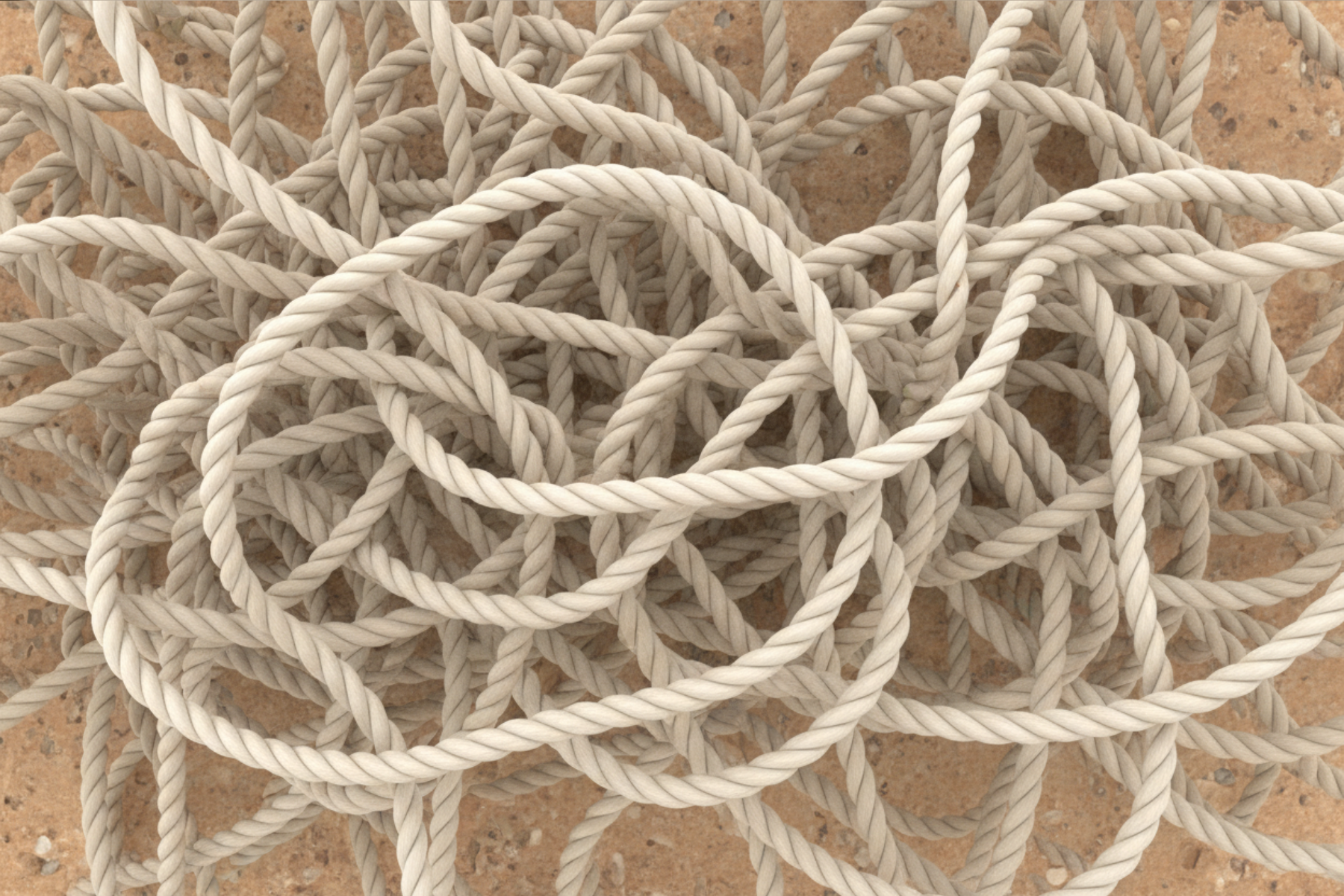
Type I collagen fibrils are thick, rope-like structures that resist deformation. When people refer to “collagen loss,” they are usually referring to loss or fragmentation of type I networks due to intrinsic aging, UV-induced matrix metalloproteinase (MMP) activity, or hormonal change.2,3
Support for type I collagen is a key pillar of skin longevity strategies.
Type III Collagen: Flexible Support
Type III collagen forms thinner, mesh-like fibrils that provide structural flexibility. It is especially abundant in younger skin, wound healing, and tissues requiring elasticity.1,4
Type III acts as a scaffolding “partner” to type I: it helps organize fibril formation and contributes to the fine-textured quality associated with youthful dermis.
As skin ages, type III collagen decreases disproportionately, contributing to changes in elasticity and contour.
How Types I and III Work Together
Types I and III collagen coexist within the same fibrils and influence one another’s formation and alignment. Their ratio affects:
- fibril thickness,
- elastic recoil,
- tissue flexibility,
- and overall dermal architecture.
A balanced I:III ratio supports a stronger, more resilient dermal matrix, while disproportionate loss of type III contributes to visible aging patterns.
Other Collagen Types in Skin
While type I and III dominate, several minor collagen types play structural and regulatory roles:
Type V
Regulates fibril assembly and size. Though not a major contributor to visible firmness, it influences fibril quality at the molecular level.1
Type VII
Forms “anchoring fibrils” at the dermal–epidermal junction, supporting cohesion between the two layers.
Type XVII
Part of hemidesmosomes that anchor the epidermis to the dermis. It contributes to structural stability and epidermal attachment.
These minor collagens are essential for function but do not drive the most visible features people associate with aging.
How Aging and Stress Alter Collagen Types
Intrinsic aging and external stressors affect collagen types differently:
- Type I collagen becomes fragmented through UV-induced MMP activity.2,3
- Type III collagen declines earlier and more steeply, reducing dermal flexibility.4
- Hormonal shifts during perimenopause accelerate loss of both types.5
- Glycation stiffens fibrils and disrupts normal remodeling.
These combined effects contribute to the visible signs of midlife aging. For a deeper look at these pathways, see What Destroys Collagen?
Different collagen types have distinct structural roles and different vulnerabilities to oxidative damage. For how oxidative stress affects collagen integrity, see Oxidative Stress, Skin, and Internal Antioxidant Support.
Photoprotective antioxidants such as carotenoids can reduce UV-driven oxidative damage that disproportionately affects fibrillar collagen; see Carotenoid Supplements for Skin: What Human Studies Actually Show.
Where Foundational Skin Nutrition Fits
Because type I and type III collagen form the core of dermal structure, strategies in foundational skin nutrition emphasize supporting fibroblasts, collagen synthesis, and the environment in which fibrils form. This includes:
- adequate amino acids,
- vitamin C and mineral cofactors,
- polyphenols and carotenoids that help manage oxidative stress,
- and ceramide support for barrier-matrix interaction.
Learn more — collagen science: Read the ATIKA Clinical White Paper for the clinical rationale, nutrient cofactors, and human trial evidence that support our collagen recommendations. Read the White Paper.
Related resources: • Collagen Cofactors • Collagen & Skin Structure • ATIKA Ingredient Glossary
Key Takeaways
- Type I and III collagens make up the majority of dermal structure.
- Type I provides firmness; type III contributes elasticity and organization.
- A balanced ratio supports dermal quality and visible smoothness.
- Aging, UV exposure, glycation, and hormones alter both types.
- Foundational skin nutrition supports the environment in which these fibrils are maintained.
Notes
- This material is for informational purposes and is not intended to diagnose, treat, cure, or prevent any disease.
- Findings from studies on collagen types describe biological roles and do not guarantee individual outcomes.
- Nutrition complements – does not replace – sunscreen, topical care, or medical evaluation.

Written by Lily Shapiro, PharmD
Lily Shapiro is a Doctor of Pharmacy and the founder of ATIKA, a clinically grounded ingestible skin-health brand focused on skin longevity. She formulated Advanced Skin Nutrition as a foundational, all-in-one daily powder that combines collagen peptides, Ceramosides® phytoceramides, targeted antioxidants, carotenoids, polyphenols, vitamins, minerals, and cofactors at evidence-based oral doses. Her work centers on translating peer-reviewed research in nutritional dermatology and healthy aging into simple, transparent formulations that support long-term skin structure, barrier function, and the skin's defenses against everyday oxidative stress.

Leave a comment
This site is protected by hCaptcha and the hCaptcha Privacy Policy and Terms of Service apply.